For any research protocol involving injection models, non-bacteriostatic water raises sterility issues
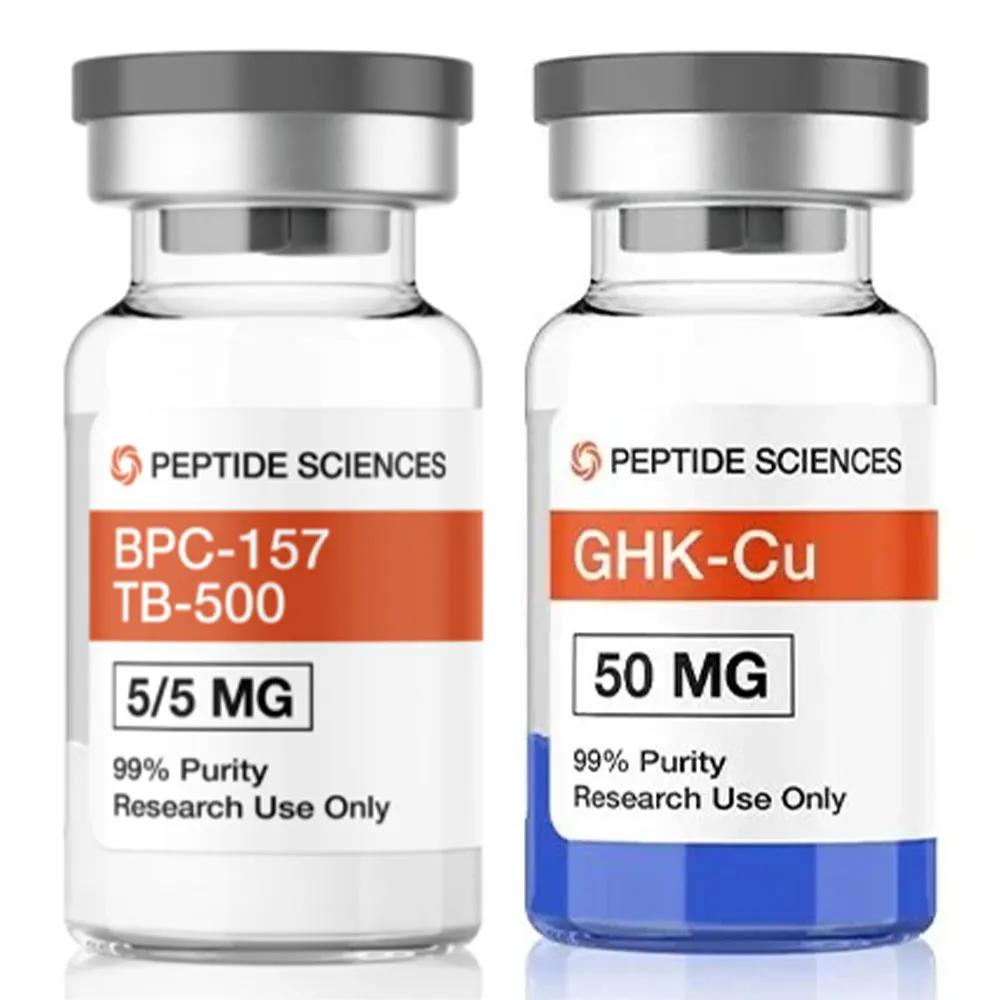
In the research field, combining peptides is a common practice known as stacking. Oral BPC-157 is often studied in conjunction with injectable TB-500 to investigate potential synergistic effects on recovery and repair, but this adds complexity to the protocol
For hands-on protocol guidance, including reconstitution and injection technique, Peptides Demystified covers everything you need to use this compound correctly from Day 1
Drug interactions and safety considerations The semaglutide glycine B12 blend interacts with medications and supplements in ways that patients must understand before starting treatment
Intended Use: For laboratory research use only Key Characteristics of BPC-157 (10 mg) Supplied as a high-purity, lyophilized research peptide Defined amino acid sequence supports consistent experimental results Commonly used in cellbased and tissuefocused research models where structural integrity, barrier function, or injuryrelated responses are endpoints Stable under recommended storage conditions Compatible with standard laboratory peptide handling protocols Verified for identity and consistency using routine quality-control techniques How BPC-157 (10 mg) Supports Research In research settings, BPC-157 is used to study peptide-driven cellular communication and signaling